

What You Need to Know to Change Your NDIS Provider
- 9 min read

A Quick Snapshot
- You can change your NDIS provider at any time.
- You don’t have to wait for your NDIS plan to end or be reviewed.
- Check your current service agreement before making the change.
- Find your new provider before ending your existing services where possible.
- Make sure your new provider understands your needs, goals and preferences.
- If you use a plan manager or support coordinator, tell them about the change.
If your current NDIS provider isn’t meeting your needs, you don’t have to stay with them.
You can change NDIS provider at any time. The important thing is to check your current service agreement, understand any notice period and make sure your new provider is ready before your existing services end.

7 signs it's time to change your NDIS provider
Your NDIS provider should support your goals, respect your choices and provide services that work for your life.
If that isn’t happening, it may be time to consider another provider.
You keep getting different support workers
Having unfamiliar support workers turn up regularly can make it difficult to build trust and maintain a comfortable routine.
If your provider continually changes your support workers, struggles to fill shifts or doesn’t give you reasonable notice about changes, it may be time to look at other options.
Good support should feel consistent, reliable and familiar.
Communication is poor
You shouldn’t have to repeatedly chase your provider for basic information about your support.
Unanswered calls, delayed emails, unexplained schedule changes or difficulty getting someone to take responsibility for an issue can all be signs that the provider isn’t giving you the level of communication you need.
You should know who to contact and be able to expect a reasonable response.
Your goals aren't being taken seriously
Your NDIS supports should help you work towards the goals in your plan and live as independently as possible.
If your provider treats your support as a routine list of tasks rather than considering what you actually want to achieve, it may be worth looking elsewhere.
Your support should be about you, not simply fitting you into the provider’s routine.
The costs aren't clear
You should understand what you’re paying for and how your NDIS funding is being used. Unexpected charges, confusing invoices or difficulty getting a clear explanation of costs are reasons to ask questions.
Your provider should be able to explain the supports being delivered, their costs and how they relate to your NDIS funding.
If you use a plan manager, they may also be able to help you understand your spending and invoices.
The service doesn't fit your life
Your circumstances can change. Your preferred days or times may change. You may develop new goals or need different types of support.
A good provider should listen and work with you to make appropriate changes.
If you’re constantly being told that support has to happen at times or in ways that suit the organisation rather than you, it may be time to consider another provider.
Your support workers aren't properly equipped to support you
Some people need support workers with particular experience, skills or training.
If workers don’t understand your needs, you repeatedly have to explain essential tasks or you don’t feel confident in the way your support is being delivered, raise the issue.
You shouldn’t have to compromise your safety or wellbeing because your provider hasn’t provided appropriately trained staff.
You don't feel respected, safe or heard
This is perhaps the most important sign of all.
You should feel comfortable speaking up about your support and confident that your concerns will be taken seriously.
If someone supporting you is disrespectful, dismissive or makes you feel unsafe in your own home, you don’t have to simply put up with that treatment.
You can raise a complaint or seek help to change providers.

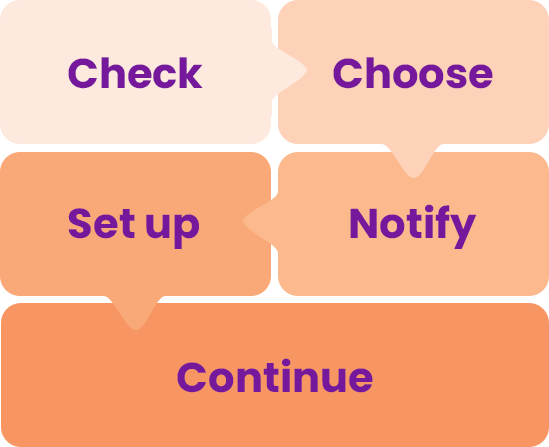
How to change your NDIS provider
Changing providers doesn’t have to be complicated.
Check your service agreement
Before you leave, read your current service agreement.
It should explain how you can end the agreement and how much notice you need to give. This may be called a notice period or cancellation period.
There may also be circumstances where a cancellation fee can apply, depending on the agreement and NDIS pricing rules.
Find your new provider
Where possible, find your new provider before finishing with your current one.
Talk to potential providers about:
- The support you need
- Your goals and preferences
- When you need support
- The experience and training of their workers
- Their costs
- How they communicate with participants
- How they handle changes to your support
- The support you need
- Your goals and preferences
- When you need support
- The experience and training of
their workers - Their costs
- How they communicate
with participants - How they handle changes to
your support
It can help to meet or speak with a potential provider before deciding whether they’re right for you.
Tell your current provider you're leaving
Once you’re ready, follow the process in your existing service agreement.
You may need to provide notice in writing or complete your provider’s cancellation process.
If you have a support coordinator or plan manager, let them know you’re changing providers too.
Set up your new provider
Your new provider should work with you to establish a service agreement covering the supports you’ll receive and how you’ll work together.
Depending on how your NDIS plan is managed and the type of support you’re receiving, your provider relationship and service bookings may also need to be updated.
Avoid a gap in your support
If possible, arrange the change so your new provider can begin when your existing provider finishes.
This can help avoid unnecessary disruption to your regular support and daily routine.
Changing providers doesn’t mean starting again. It’s about finding support that works better for you.

Choosing a new NDIS provider
Changing providers gives you an opportunity to think about what you actually want from your disability support.
Don’t simply choose a provider because they have an available worker.
Look for a provider that:
- Listens to what you want
- Offers consistent support workers
- Understands your particular support needs
- Communicates clearly
- Explains costs upfront
- Respects your choices and independence
- Can adapt as your circumstances change
If your plan is NDIA-managed, you generally need to use registered providers. If your plan is self-managed or plan-managed, you can generally choose registered or unregistered providers, subject to NDIS requirements for particular supports.
My Guardian can help make changing providers easier
Changing NDIS providers doesn’t have to mean starting from scratch.
At My Guardian, we take the time to understand what you need, what isn’t working with your current support and what you want to achieve.
Our aim is to provide reliable, personalised disability support that respects your independence, choices and everyday routine.
If you’re thinking about changing NDIS provider, talk to My Guardian about your situation and what you need from your next provider.
Call My Guardian on 02 9336 7555.
Frequently asked questions
Can I change NDIS provider at any time?
Yes. You can change providers at any time. You don’t have to wait for your NDIS plan to finish or be reviewed.
Check your service agreement first because it may specify a notice or cancellation period.
Do I need to tell my current provider why I'm leaving?
You should follow the process set out in your service agreement.
You don’t have to stay with a provider simply because you’re unhappy with their service. If you don’t feel comfortable discussing the issue directly, you can ask someone you trust to help.
Will changing providers affect my NDIS funding?
Changing providers doesn’t mean you lose your NDIS funding.
However, existing provider relationships and, where relevant, service bookings may need to be ended or updated so your new provider can deliver and claim for your supports.
Can I have more than one NDIS provider?
Yes. You can work with different providers for different supports, provided the arrangements fit within your NDIS plan and the relevant NDIS requirements.
What if I don't feel safe with my NDIS provider?
You don’t have to handle the situation alone.
You can ask someone you trust, a support coordinator or another appropriate person to help. If you have concerns about the way a provider treats you or about your safety, you can also contact the NDIS Quality and Safeguards Commission.
Table of Contents
Explore related topics

You’ve been assessed. You’ve received your letter confirming your Support at Home funding.


Aged Care fees can feel complicated, especially when you’re trying to understand.



Get Support!
Whether you’re ready to start experiencing quality care or just want to learn more about our services, our friendly support team is here to help. Send us a message by filling in the form, or call us anytime on.