An NDIS Support Worker Does More Than You Might Think
- 7 min read
A Quick Snapshot
- Everyday assistance: Help with personal care, household tasks, shopping and daily routines.
- Greater independence: Support to develop skills and do more things for yourself.
- Community participation: Assistance to attend appointments, pursue interests and stay socially connected.
- Individual support: The type and level of assistance depends on your needs, goals and level of NDIS funding.
- Your choice: You can choose a support worker who understands your preferences and helps you work towards your goals.
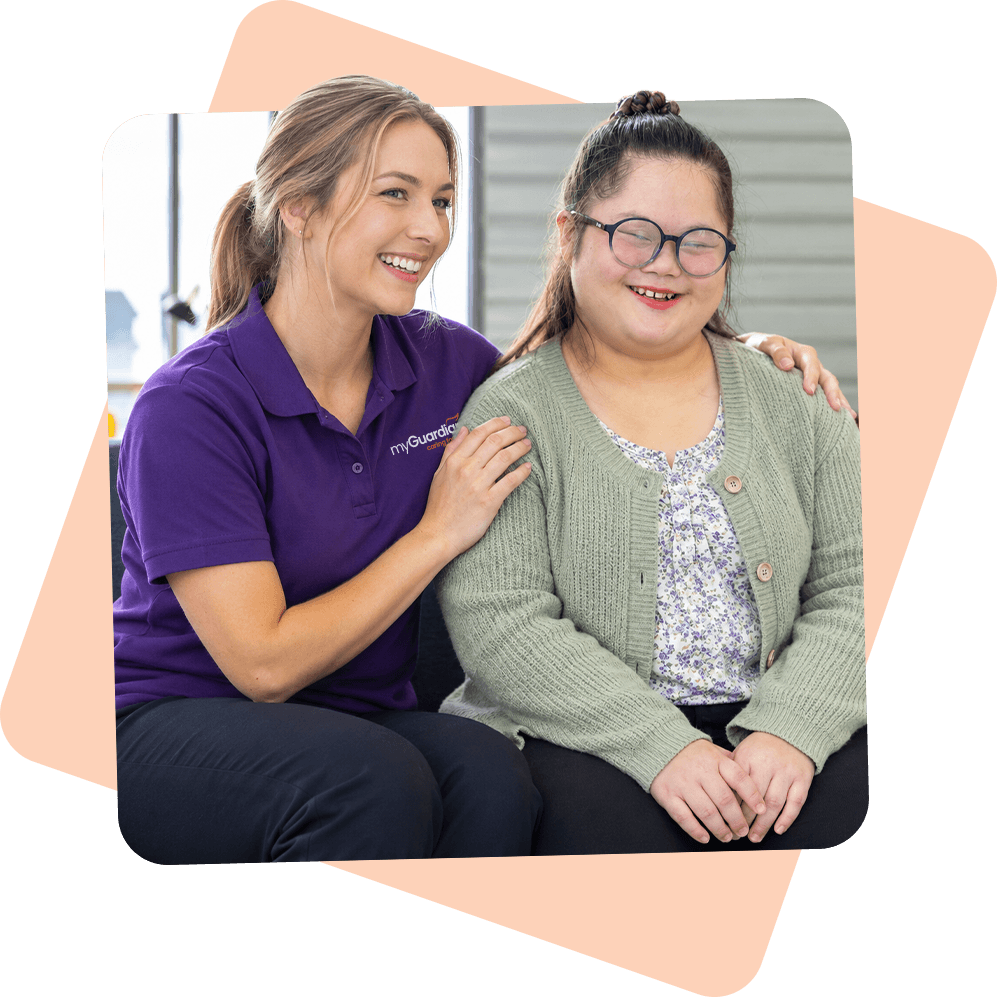
An NDIS support worker helps people with disability manage everyday activities, develop practical skills and take part in their communities.
For some, the support might involve help with personal care, preparing meals, getting to appointments or participating in activities. For others, it might mean learning to do more things independently, or with the right assistance when it is needed.
The important thing is that support should reflect the individual’s needs, choices and goals.
When extra support can make a difference

An NDIS support worker can help when disability makes everyday activities more difficult or, when you need assistance to participate in the things that matter to you.
Such support might be useful when:
Everyday tasks need a helping hand
You need assistance with preparing meals, keeping your home in order, getting dressed or managing personal care.
Getting out and about takes extra effort
You might need help travelling to appointments, shopping, attending activities or visiting friends and family.
You want to develop everyday skills
A support worker can help you learn or practise activities such as cooking, using public transport, following a routine or managing tasks at home.
Family support needs to be shared
Family members may be happy to help, but they may (more than likely) have work, other commitments or responsibilities of their own. Appropriate support can reduce the amount of practical assistance they need to provide.
The aim isn’t to take over your life.
It’s to provide the right help so you can do more of the things that matter to you.
Household and domestic support

A support worker can help with everyday household tasks where these are appropriate NDIS supports for your circumstances.
This may include:
- Meal preparation: Helping prepare meals, plan simple dishes or develop cooking skills.
- Household tasks: Assistance with tasks such as vacuuming, changing bed linen and keeping living areas tidy.
- Laundry: Help with washing, drying, folding and putting away clothes.
- Shopping and errands: Assistance with grocery shopping, collecting items or running errands.
- Daily routines: Helping you organise tasks and develop practical skills to manage your home more independently.
The aim may be to complete a task together, provide assistance where it’s needed or help you build the skills to do more yourself.
Personal care assistance

Some people need support with personal care and everyday activities. Depending on their needs, this may include:
- Showering and grooming: Assistance with personal hygiene, washing, brushing hair or shaving.
- Dressing: Help with choosing appropriate clothing and getting dressed.
- Mobility and transfers: Assistance moving around safely or transferring between a bed, chair or wheelchair, where the worker is appropriately trained.
- Eating and drinking: Assistance with meals and eating-related activities, in line with the person’s assessed needs and any relevant support requirements.
- Medication assistance: Help with medication-related tasks where the worker is appropriately trained, authorised and
permitted to provide that assistance.
The level of help should match the person’s needs and preferences while respecting their privacy and dignity.
Where clinical nursing care is required, a registered nurse or another suitably qualified practitioner may be needed. The appropriate arrangement depends on the task and the person’s circumstances.
Social and community participation

Being able to get out, maintain relationships and take part in activities can make a real difference to everyday life.
A support worker may help with:
- Social activities: Attending community groups, recreational activities, classes or other interests.
- Appointments and transport: Getting to appointments or travelling to places in the community, depending on the support arrangements.
- Staying connected: Visiting friends and family or participating in social activities.
- Building confidence: Practising activities such as using public transport, shopping independently or navigating familiar places.
- Community access: Taking part in local events, visiting libraries or exploring activities that match your interests.
Choosing My Guardian for NDIS support.

Choosing a support provider is about more than filling hours in a schedule. You want support that fits your needs, respects your choices and can adapt as those needs change.
My Guardian aims to make arranging support straightforward, with services matched to your circumstances and preferences.
We take time to understand your needs
Everyone’s circumstances are different. We begin by discussing the assistance you need, the activities that matter to you and the way you’d prefer to receive support.
This helps us understand what you’re looking for and identify suitable support arrangements.
Help coordinating your supports
Depending on your needs and the services arranged, My Guardian helps coordinate appropriate support so you have a clearer understanding of who is providing assistance and how your services fit together.
Support that can adapt as your needs change
Your support requirements may change over time. We can discuss adjustments to your support arrangements, including hours and scheduling, subject to service availability, your NDIS funding and the terms of your service agreement.
Frequently asked questions
How many hours of support can I have?
The number of hours depends on your needs, the funding in your NDIS plan and the services agreed with your provider. Discuss your requirements with your provider to understand the available options and any minimum booking periods.
Can an NDIS support worker help with medication?
A support worker may be able to assist with medication-related tasks, depending on the task, their training and authorisation, and the arrangements in place. Some tasks require a registered nurse or another appropriately qualified practitioner. Ask your provider what assistance can be provided in your circumstances.
How does a support worker help me live independently?
A support worker can help you manage everyday activities, practise new skills and participate in your community. The right support doesn’t have to mean someone doing everything for you. It can mean having assistance where you need it while making your own choices and doing as much as you can for yourself.
Table of Contents
Explore related topics

You’ve been assessed. You’ve received your letter confirming your Support at Home funding.


Aged Care fees can feel complicated, especially when you’re trying to understand.



Get Support!
Whether you’re ready to start experiencing quality care or just want to learn more about our services, our friendly support team is here to help. Send us a message by filling in the form, or call us anytime on: