
Home safety made easy: 3 mobility aids worth having
Fall risk increases as you age. Data from the Australian Institute of Health and Welfare reveal that 1 in 3 of people aged 65 and over, fall at least once each year. Even if you’re staying mostly at home, it still doesn’t remove the risk. There are many experiences of falls that happen at home. In fact, the bathroom is the most common room indoors for falls, making up 6.4% of total fall hospitalisations in 2020.
What can you do?
You can prevent falls at home without requiring major home modifications.
Mobility aids are a practical way to safely move around your home and let you sustain independent living while reducing the risks of fall. They help improve your balance and stability, relieve pressure from any painful joints, slowly build momentum to a more active life.
Here are three mobility aids you can use as your reliable support system:

1. Walking Stick
A walking stick is a lightweight and portable walking aid that maintains your balance especially when walking on uneven ground. The two main types of walking sticks are: single-point and quad. The single-point is the most common choice because it is easy to use and is more affordable while the quad offers more support and can stand on its own but it is heavier and may slow you down.

2. Walkers and Rollators
Walkers and rollators are assistive devices used for short distances. To know which walking aid is better suited for you, the table below is a quick guide on how each one works.
3. Bathroom Mobility Aids
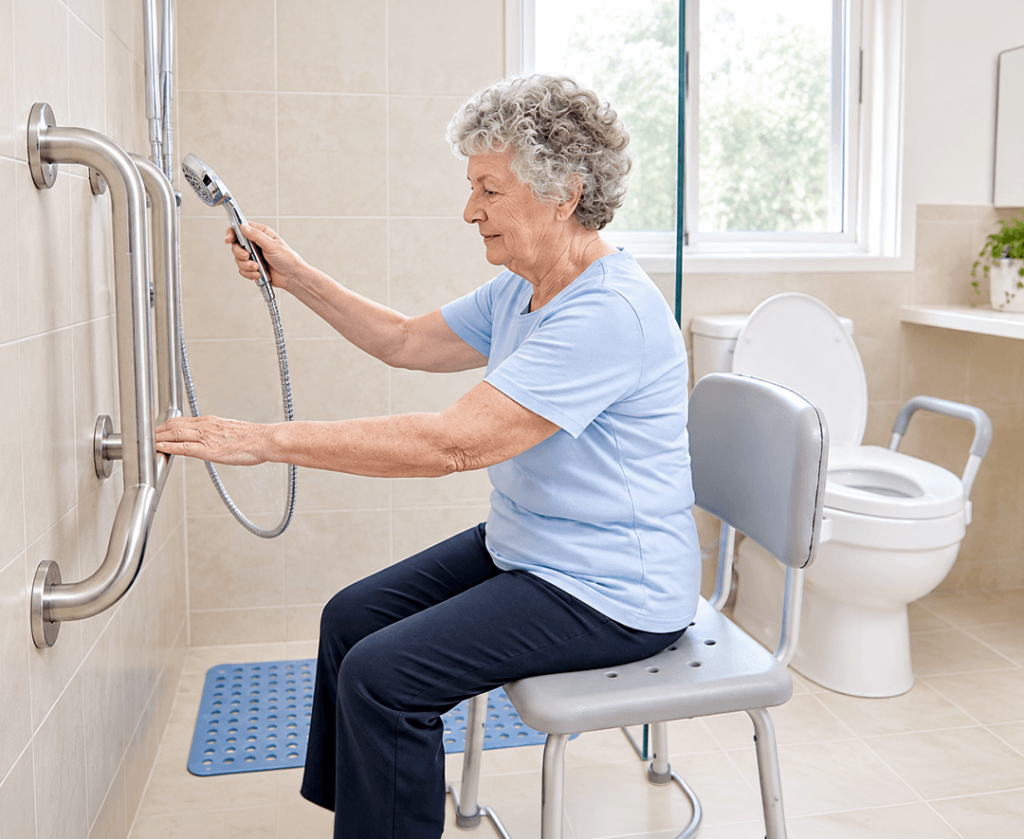
Wet floors and slippery surfaces make the bathroom a common area for falls and accidents. To minimise the risk of injury, it is recommended to install or have one of these inside your bathroom:
- Grab rails beside the toilet and in the shower
- A shower chair or stool
- A raised toilet seat
- A non-slip mat
Note: Grab rails should be securely anchored in a spot with solid structural support to avoid it from falling or causing a fall.
When should you get a mobility aid?
Reduced mobility is difficult to spot because it affects you gradually until you suddenly feel pain in your body. Here are some signs to take note of so you’ll know if it’s the right time for you to get assistance:
- You easily tire or get fatigued during walks
- You’re having trouble maintaining your balance
- You limit yourself going to places you usually visit
- You find yourself prone to falling from time to time
- You get winded after just a short walk
If left unnoticed, these experiences could start affecting your confidence and negatively impact your quality of life.
Choosing the right mobility aid for you
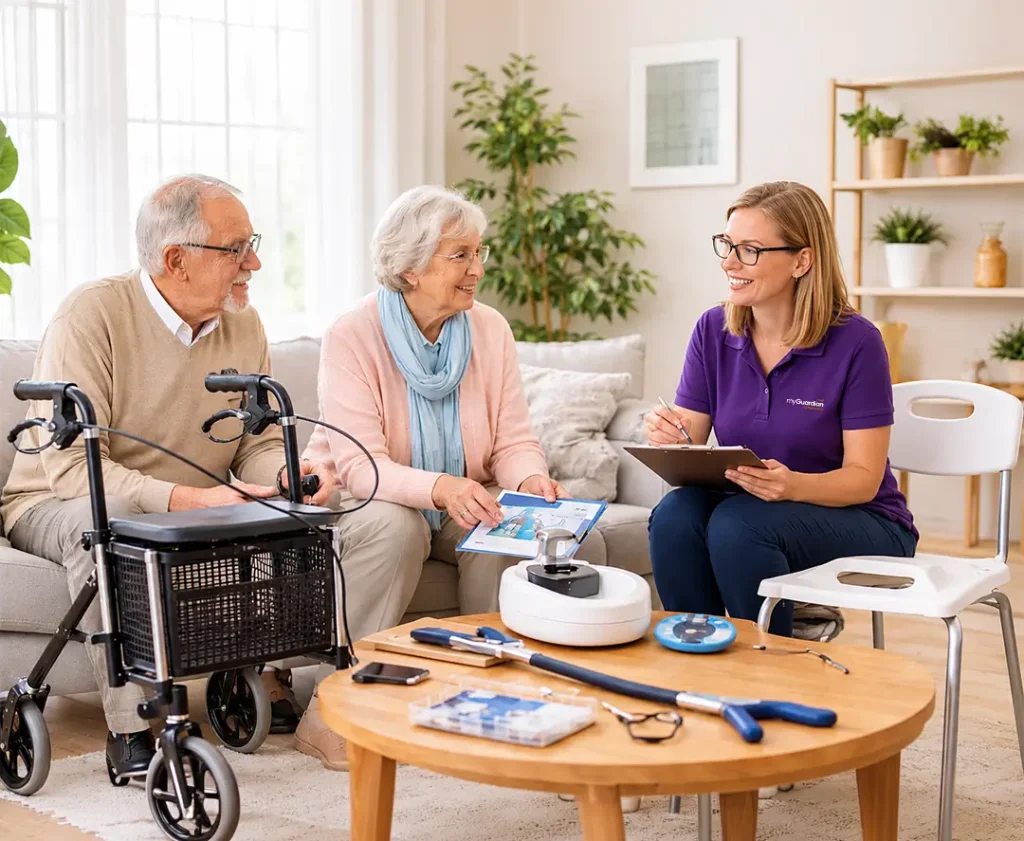
The right mobility aid depends on the level of support you need and how it affects your daily activities. Before making any changes, start first by identifying the challenges you want to address and making that your focus.
Here’s what to consider when deciding which aid to take:
- Balance and strength: Do you get shaky when walking, turning or standing up from a seated position?
- Daily routine: Do you need additional mobility assistance when showering, dressing, or completing your daily tasks?
- Home environment: Do narrow doorways, poor lighting or slippery floors make it hard for you to move around?
The key here is you don’t have to address everything at once. It’s better when you prioritise the areas that directly affect your safety, then seek professional advice to know which solution matches your situation. The best mobility aid is the one you’ll actually use.
If there are already signs that’s affecting your mobility, you can always talk to our team of care experts to discuss your concerns and find out which services are suitable for you.
Frequently Asked Questions
When is the right time to start using a mobility aid?
There are a few signs to watch to know if you already need a mobility aid to assist you. Some signals include holding onto walls or furniture while walking, shortness of breath, or you feel pressure from your joints after short walks. A clinical assessment by a physiotherapist or occupational therapist (OT) is the best way to confirm the need.
What is the difference between a walking frame and a rollator?
A walking frame has rubber-tipped legs and must be lifted or slid forward. It offers stability for balance-impaired users. A rollator uses wheels and hand brakes, with a built-in seat, making it ideal for older people who need endurance suppor
Which side should a senior hold a walking stick on?
A walking stick should always be held in the hand opposite the weaker or injured leg. The cane and the weaker leg step forward together, redistributing body weight safely.