

What Is Specialist Disability Accommodation (SDA)?
- 7 min read

A Quick Snapshot
- SDA means Specialist Disability Accommodation.
- It is funded through the NDIS for eligible participants.
- It is designed for people with extreme functional impairment or very high support needs.
- SDA is the specialist housing, not the care or support provided in it.
- There are four SDA design categories: Improved Liveability, Fully Accessible, Robust and High Physical Support.
- SDA can be a house, apartment, villa, duplex, townhouse or group home.
- You generally pay a reasonable rent contribution and household costs.
- You can choose an SDA home and registered SDA provider that suit your needs.
Specialist Disability Accommodation (SDA) is purpose-built housing for NDIS participants with extreme functional impairment or very high support needs.
SDA provides specialist housing
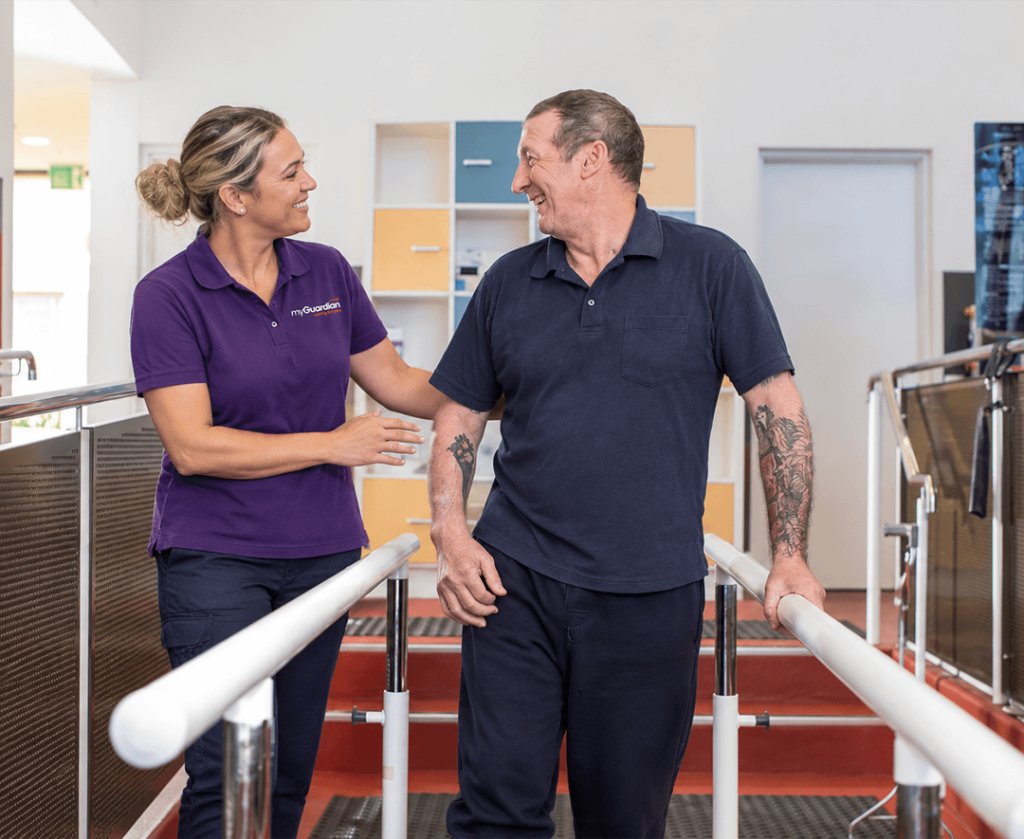
SDA is designed for people whose disability-related needs cannot be adequately met by ordinary housing. SDA homes have specialist features that make it easier and safer for eligible participants to live in a home suited to their needs.
Depending on the design, an SDA home may include:
- wider doorways and accessible bathrooms
- wheelchair-accessible kitchens
- ceiling hoists
- automated doors and other home automation
- reinforced structures
- specialist safety features
- backup power and communication technology.
The aim is to provide a home that is better suited to the participant’s needs and can also make other supports safer and more effective.
SDA is for people with high support needs
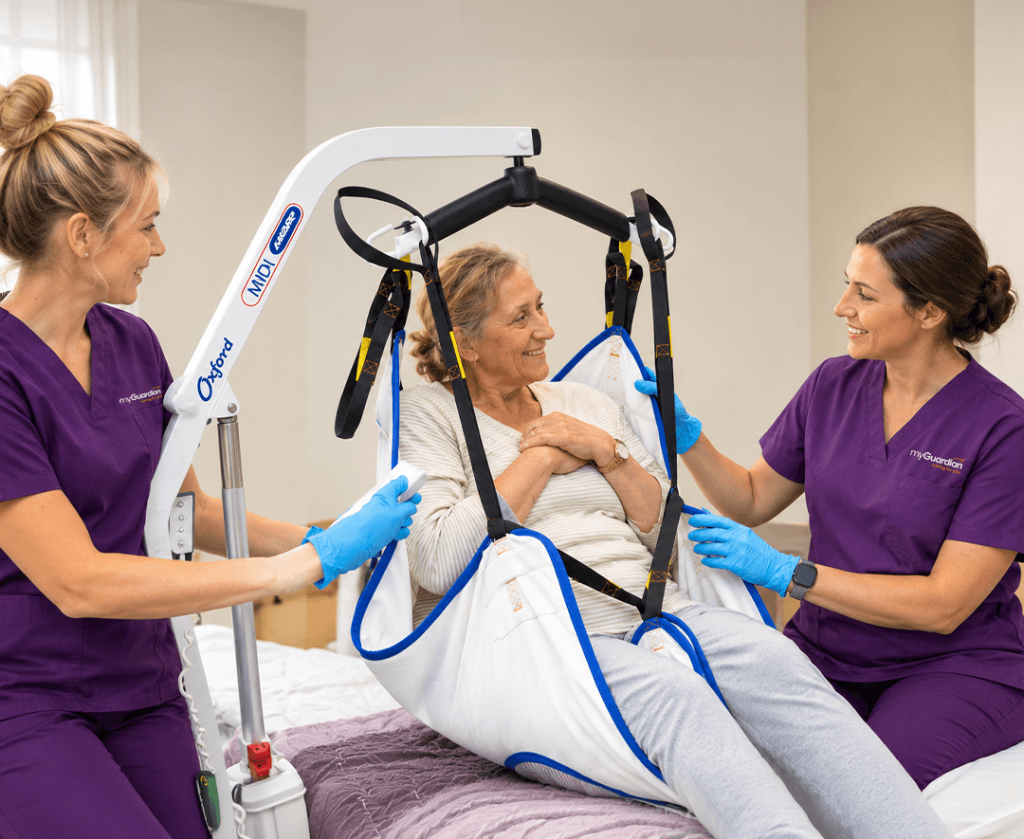
Not every NDIS participant is eligible for SDA because the NDIS considers whether a participant has:
- extreme functional impairment or very high support needs
- a disability-related need for specialist accommodation
- circumstances that meet the NDIS funding criteria for SDA.
You will very likely need to provide evidence about your disability, daily support needs and housing requirements. This can include reports from allied health professionals and other relevant information.
SDA is generally considered as part of the NDIS home and living planning process.
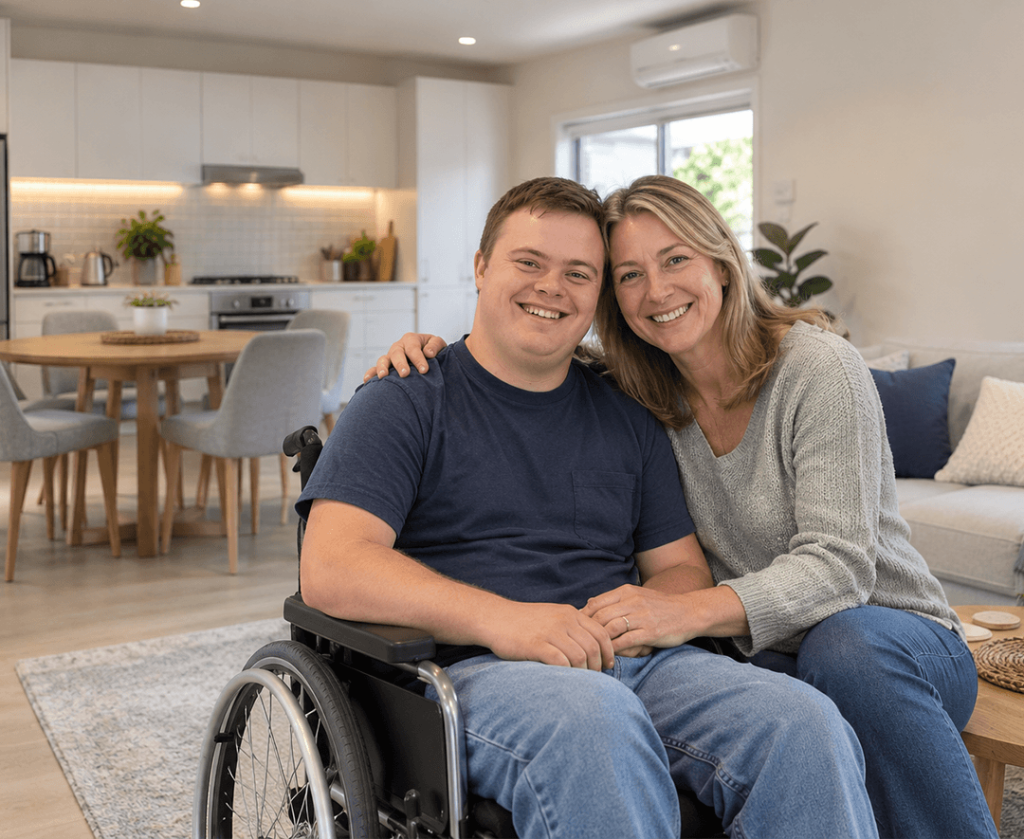
SDA homes have different design categories
There are four SDA design categories, each designed for different needs.
Improved Liveability
Fully Accessible
Robust
High Physical Support
These are designed for people with very high physical support needs and may include features such as ceiling hoists, backup power and home automation.
Your SDA design category is based on your individual needs.
SDA can be different types of homes
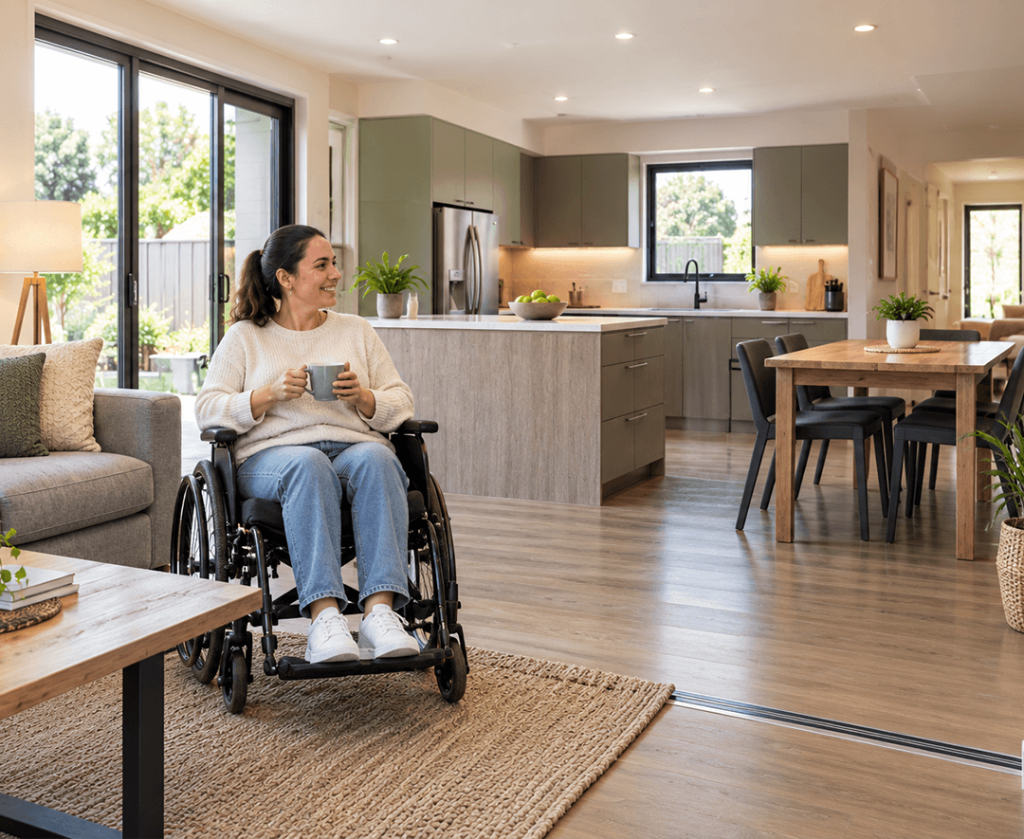
SDA is not one particular style of housing.
An SDA dwelling can be:
- an apartment
- a villa, duplex or townhouse
- a house for up to three residents
- a group home for four or five residents.
Some SDA homes are shared
Some SDA homes are shared, with participants having their own bedroom and shared living areas. Other arrangements may be suitable for someone who needs to live alone.
The important consideration is whether the accommodation meets your approved needs.
SDA is separate from care and support

SDA pays for the specialist accommodation. It does not pay for the support you receive in your home.
For example, SDA funding does not cover:
- personal care
- support workers
- Supported Independent Living (SIL)
- Individualised Living Options (ILO)
- assistive technology.
These may be separately funded NDIS supports if you meet the relevant requirements.
For example, someone may live in an SDA home and also receive SIL funding for the assistance they need with everyday living.
You still pay rent and household costs
SDA funding does not mean you live rent-free. You generally pay a reasonable rent contribution to the SDA provider, together with ordinary household costs such as electricity.
The NDIS sets a maximum reasonable rent contribution. The amount you pay should be explained in your SDA service agreement.
The NDIS pays the SDA funding directly to the registered SDA provider.
Choosing an SDA home
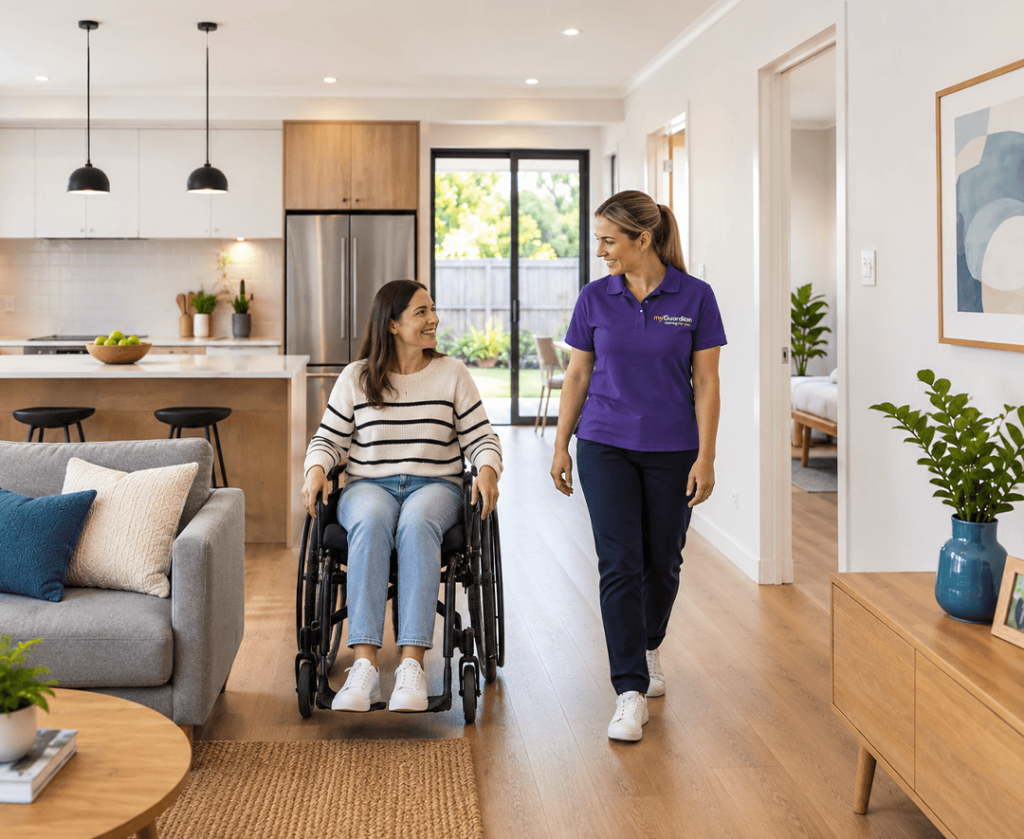
If SDA is included in your NDIS plan, you have a choice about where you live and which registered SDA provider you use. You can search for suitable vacancies through the NDIS SDA Finder, including by location, dwelling type, design category and other features.
Your NDIS planner, support coordinator or Local Area Coordinator may also be able to help you find suitable accommodation.
When comparing homes, consider more than the building itself. Location, privacy, accessibility, other residents and how your existing supports will work are all very important.
SDA can work with other NDIS supports
SDA is one of several NDIS home and living options.
Depending on your circumstances, you may also receive funding for supports such as:
- Supported Independent Living (SIL)
- Individualised Living Options (ILO)
- home modifications
- other approved home and living supports.
SDA and these supports are separate. The NDIS considers your individual circumstances when deciding what funding and supports are appropriate.
Finding out if SDA is right for you
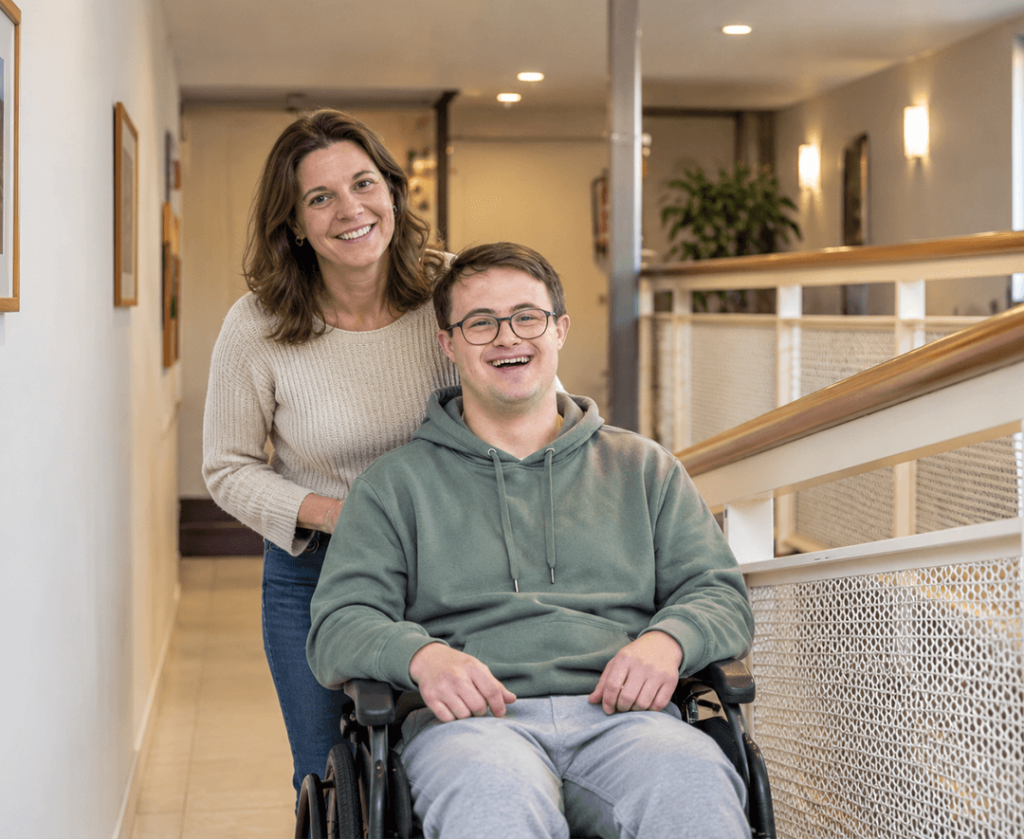
SDA is about more than finding an accessible home. The accommodation needs to match your disability-related needs and the way you want to live.
If you think SDA may be appropriate, talk to your My Guardian about your home and living needs – we can also help you understand your NDIS options and the supports that may be available.
Need help understanding your NDIS options? Talk to My Guardian.
Frequently asked questions
What does SDA stand for?
SDA stands for Specialist Disability Accommodation.
Who can get SDA?
SDA is for eligible NDIS participants with extreme functional impairment or very high support needs.
Does SDA pay for my support workers?
No. SDA pays for the specialist accommodation. Care and support are separate NDIS supports.
Do I have to pay rent in SDA?
Yes. You generally pay a reasonable rent contribution as well as ordinary household costs.
Can I live alone in SDA?
Sometimes. SDA can be shared or sometimes, where appropriate, provided for one just the participant.
Can I have SDA and SIL?
Yes. SDA and SIL are different supports and can be provided together when you meet the requirements for both.
How do I find an SDA home?
Table of Contents
Explore related topics

You’ve been assessed. You’ve received your letter confirming your Support at Home funding.


Aged Care fees can feel complicated, especially when you’re trying to understand.



Get Support!
Whether you’re ready to start experiencing quality care or just want to learn more about our services, our friendly support team is here to help. Send us a message by filling in the form, or call us anytime on.