


A Guide In Respiratory Health for the Elderly: Common Conditions and Treatments
Lung disease in older adults often goes unnoticed. It usually develops gradually without noticeable symptoms that give a clear sign of a major health issue. Because some symptoms like coughing and shortness of breath are often mistaken for normal signs of ageing, many elderly people overlook them, leaving a serious condition undiagnosed for a long time. By the time symptoms appear, the disease has often reached an advanced stage, where treatment is harder and is less effective.
Why Early Attention Matters
Recognising the signs early allows doctors or healthcare providers to intervene before the condition escalates, making management and treatment much easier. Catching it sooner protects your health, prevents emergency hospital visits, and maintains your independence at home.
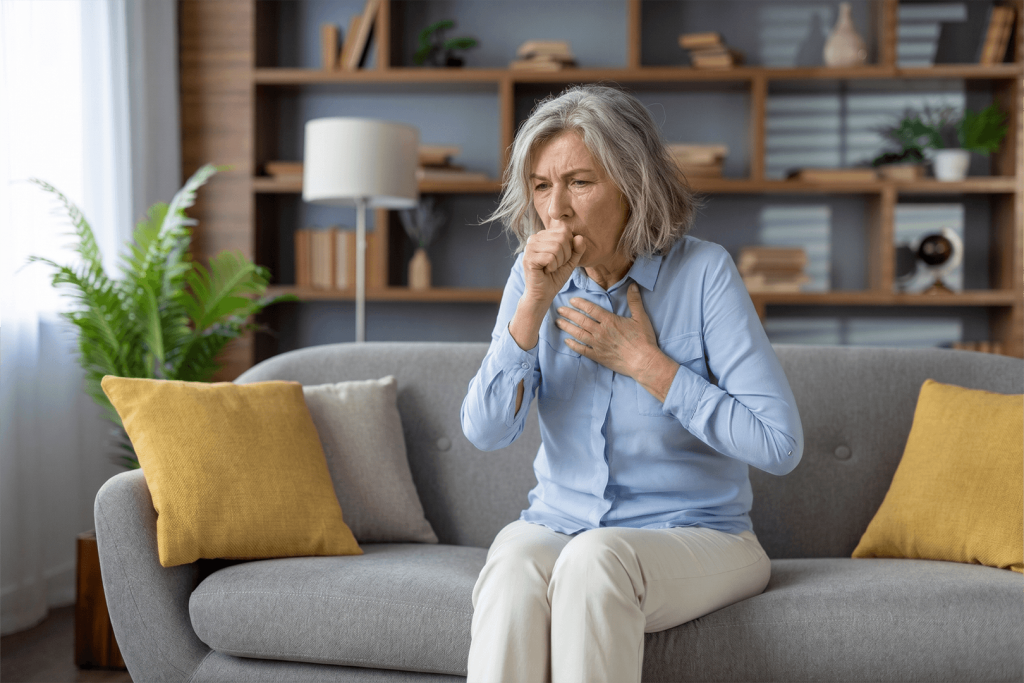
3 Respiratory Conditions Every Older Adult Should Understand
Chronic obstructive pulmonary disease (COPD)
The Australian Bureau of Statistics (ABS) reports that 7.0% of Australians aged 65 and over had Chronic Obstructive Pulmonary Disease (COPD) in 2022. COPD is a long-term lung condition that makes it harder to breathe. About one in 14 elderly are affected, the highest rate of any demographic.
COPD mainly damages your airways and air sacs. The airways become swollen and inflamed. They produce excess mucus which clogs the pathways and restricts airflow. The walls of the air sacs become weakened and lose their elastic properties. This prevents the lungs from properly pushing air out and sending oxygen into your bloodstream.
While COPD has no cure yet, the right treatment slows its progress and eases symptoms. Here are practical steps you can take right now to manage it:
- Use prescribed medications like inhalers to open tight airways and lower swelling.
- Join pulmonary rehabilitation to strengthen your lungs and boost your energy levels.
- Stay up to date on vaccines like the flu and pneumonia shots to prevent infections.
Pneumonia
Healthdirect lists people over 70 as those with the highest risk for pneumonia. Pneumonia is usually caused by bacteria or a virus that causes fluid buildup in the air sacs of your lungs. It often follows a cold or flu. The most common symptoms of pneumonia are:
- Fever ( 38°C or higher)
- Dry Coughing
- Shortness of breath
There are two ways to treat pneumonia:
For bacterial infections, antibiotics are prescribed to target and kill the bacteria or stop them from multiplying. They can be taken orally as tablets or capsules, or it can be administered intravenously in more severe cases.
For viral infections, treatment is managed through rest, hydration, and oxygen support. Antiviral medicine may be prescribed if the infection stems from specific viruses like influenza.
Asthma
About 2.8 million Australians had asthma in 2022, according to the Australian Bureau of Statistics. Asthma is a long-term lung condition that affects the airway which carries oxygen in and out of your lungs. It is usually caused by inflammation and tightening of the airway which makes it difficult to breathe.
The typical symptoms of asthma are:
- Chest tightness
- Coughing
- Wheezing

Simple Treatment Options You Can Try
Medication can only go so far. While medical treatments are excellent at relieving symptoms, they cannot fix habits and environmental factors that drive chronic respiratory conditions. An effective way to overcome respiratory issues is by adapting to a better lifestyle with the help of your doctor’s advice and healthy everyday habits. Here are a few activities you can do to improve lung capacity and strengthen your respiratory system:
1. Breathing and conditioning exercises
Targeted breathing exercises strengthen your breathing muscles, helping you take in more air. Exercises like pursed-lip breathing and diaphragmatic control reduce shortness of breath and keep your airways more open, making it easier for you to inhale and exhale.
2. Proper inhaler technique
The National Asthma Council Australia reported that 94% of Australians don’t use their asthma inhalers correctly. Using a dedicated spacer ensures that the medication reaches your lungs without getting stuck in your mouth and throat. The spacer slows down the speed of the spray so you can breathe it in properly.
3. Improve quality of air at home
When older adults with respiratory conditions inhale harmful airborne particles, it can trigger sudden inflammatory responses that can cause their airways to swell. Here’s what you can do to protect yourself from sudden flare-ups :
- Improve filtration: Close your windows or use cleaning appliances that have High Efficiency Particulate Air (HEPA) filters during high-pollen days.
- Control moisture: Have exhaust fans or dehumidifiers to control indoor mold growth.
- Avoid smoke: Maintain a smoke-free indoor policy. Stay away from any chemical fumes or wood-burning fires.
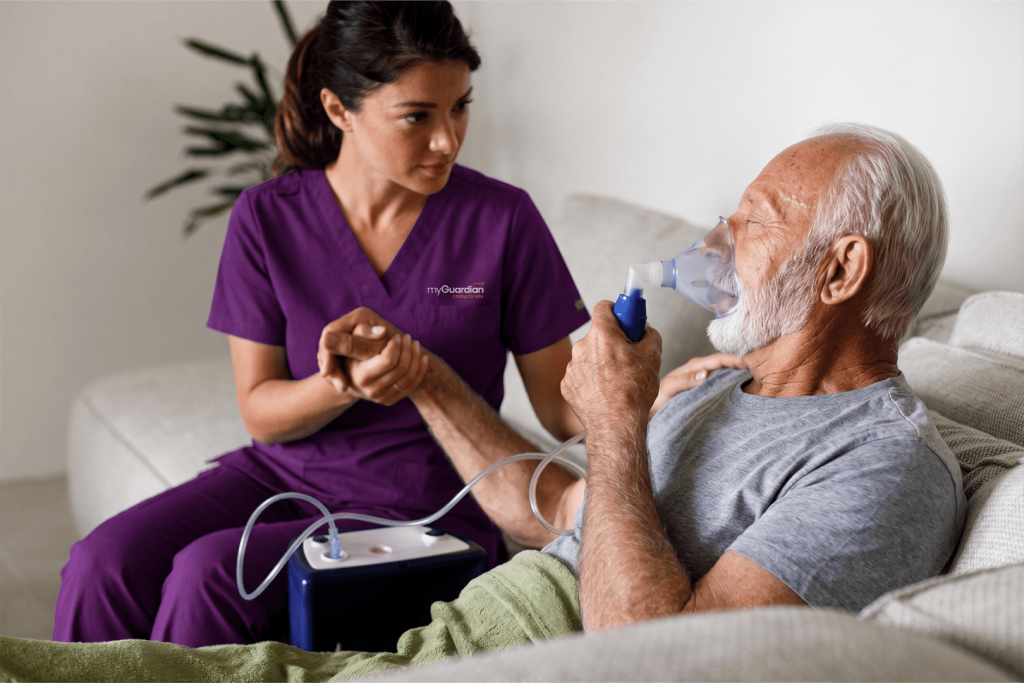
How Can In-Home Care Supports Respiratory Health
Managing a respiratory condition takes a heavy toll on your time and energy, much like any other chronic illness. Between managing medication schedules, maintaining a safe environment at home, and being consistent on your routine, staying on track can be exhausting, but you don’t have to manage it all on your own.
Our expert care team provides comprehensive in-home nursing and allied health support tailored to respiratory wellness:
- Clinical Nursing: Medication administration, vital signs tracking, oxygen support, and early detection of chest infections.
- In-Home Physiotherapy: Chest breathing exercises, mobility support, and approved pulmonary exercise programs.
- Daily Living Support: Light housekeeping, meal preparation, and personal care to conserve your energy for the activities you enjoy.
Frequently Asked Questions
What are the most common respiratory conditions in seniors?
The most common conditions are COPD, pneumonia and asthma. Consult your doctor to know if you have a respiratory problem with a lung function test.
Which lung vaccines does the government fund for seniors?
The National Immunisation Program funds influenza from age 65, pneumococcal from age 70 and Respiratory Syncytial Virus from age 75.
Can I get respiratory care at home?
Yes. Nurses and physiotherapists can visit you at home, and Support at Home funding may cover the cost.