

Creating Inclusive Homes: The Heart of Specialist Disability Accommodation in Australia
Understanding Specialist Disability Accommodation (SDA)
Specialist Disability Accommodation (SDA) plays a crucial role in providing housing for Australians living with Disabilities. SDA homes are designed to cater to the unique needs of individuals with significant functional impairment or very high support needs. These homes are equipped with specialist features and technology to ensure the safety, accessibility, and comfort of the residents.
SDA is part of the broader National Disability Insurance Scheme (NDIS) and is aimed at offering suitable housing options for people who require specialist supports. By focusing on creating inclusive living spaces, SDA aims to enhance the quality of life and independence of individuals with Disabilities.
The Impact of Inclusive Design
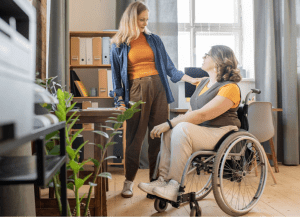
Inclusive design is at the core of Specialist Disability Accommodation. These homes are meticulously planned to accommodate various Disabilities, ensuring that residents can move around freely and access all areas without barriers. Features such as wider doorways, ramps, and adjustable bench heights are incorporated to promote independence and comfort.
Furthermore, the design of SDA homes extends beyond physical accessibility. Consideration is given to sensory needs, such as lighting and acoustics, to create a supportive environment for individuals with sensory sensitivities. This holistic approach to design fosters a sense of belonging and wellbeing among residents.
Choice and Control in Housing
SDA empowers individuals with Disabilities by providing them with choices regarding their living arrangements. Through tailored housing solutions, residents can exercise control over their living environment, leading to increased autonomy and self-determination.
Moreover, SDA offers flexibility in housing options, allowing individuals to select accommodations that align with their preferences and needs. This personalised approach not only enhances the quality of life for residents but also promotes a sense of ownership and belonging within the community.
Collaboration and Supportive Networks
Creating inclusive homes goes beyond physical infrastructure; it involves fostering supportive networks within the community. SDA providers work collaboratively with residents, families, carers, and support coordinators to ensure that the needs of individuals are met effectively.
By building strong relationships and open communication channels, SDA providers can offer comprehensive support that extends beyond housing solutions. This collaborative approach enhances the overall wellbeing and social integration of individuals with Disabilities.
Embracing Inclusivity with My Guardian
At My Guardian, we are dedicated to creating inclusive living spaces that empower individuals with Disabilities to lead fulfilling lives. Our SDA offerings are designed to prioritise the needs and preferences of each resident, fostering independence and community engagement.
Through our commitment to Quality Care and personalised support, we aim to redefine the concept of specialist disability accommodation in Australia. Contact Us today to explore how My Guardian can support you or your loved one on the journey towards inclusive living.
FAQs
Q: What is Specialist Disability Accommodation (SDA) and how does it benefit individuals with disabilities?
A: Specialist Disability Accommodation (SDA) provides housing options specifically designed to cater to the unique needs of individuals with significant functional impairment or very high support needs. These homes are equipped with specialist features and technology to ensure safety, accessibility, and comfort for residents, ultimately enhancing their quality of life and independence.
Q: How does Inclusive Design play a role in Specialist Disability Accommodation (SDA) homes?
A: Inclusive design is at the core of SDA homes, ensuring that they are meticulously planned to accommodate various Disabilities and promote independence. Features such as wider doorways, ramps, and adjustable bench heights are incorporated to remove barriers and create a supportive environment. Additionally, consideration is given to sensory needs, such as lighting and acoustics, fostering a sense of belonging and wellbeing among residents.